














Vitamin D analog helps break down the protection of pancreatic cancer
A small clinical trial led by Dana-Farber Cancer Institute tested an idea from the Salk Institute: activating the vitamin D receptor can change the environment around pancreatic tumors, making the cancer easier for treatments to affect.
Published in May 2026 in Nature Cancer, the study looked at patients with untreated metastatic pancreatic cancer who had standard chemotherapy either with or without paricalcitol, a vitamin D analog already approved for other uses.
The results showed that using paricalcitol, given either by mouth or through a vein, was safe and reduced the activity of fibroblasts in the tumor’s environment, confirming earlier lab findings.
The trial wasn’t meant to measure how well the treatment works against pancreatic cancer, but researchers noticed better responses to chemotherapy and longer time before the cancer worsened among patients who got paricalcitol.
Also, patients with higher levels of the vitamin D receptor who received paricalcitol lived longer.
” This study takes a new approach to overcoming resistance in pancreatic cancer,” says study co-author Ronald Evans.
“By using vitamin D analogs, we can use the body’s natural system to reduce fibrotic and inflammation responses, helping other treatments work better.”
Ronald Evans discovered the nuclear receptor superfamily, a group of molecules that includes the vitamin D receptor.
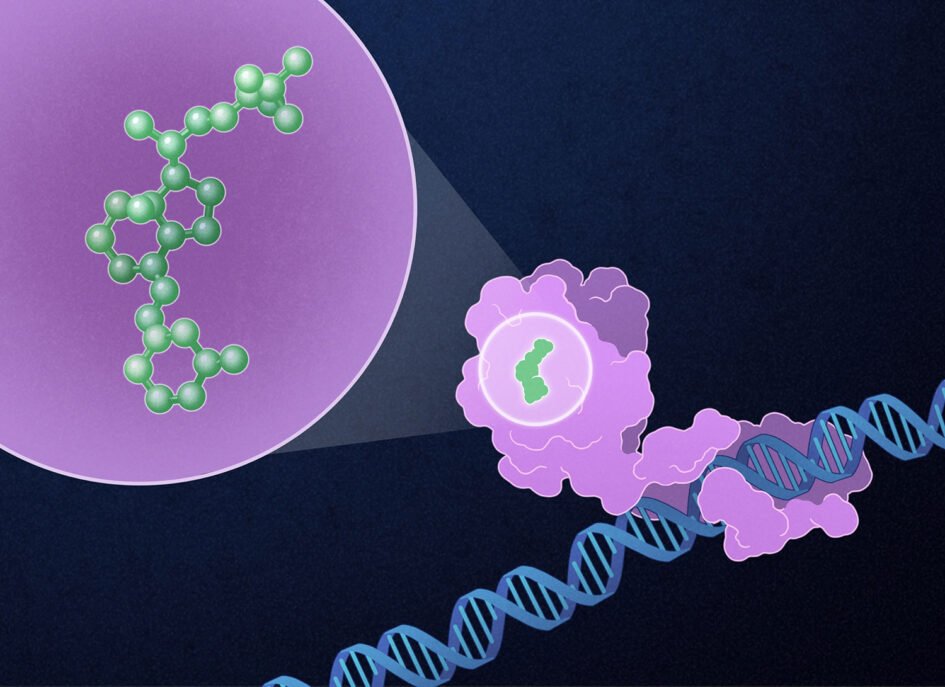
When activated by certain hormones, vitamins, or fats, these receptors turn genes on and off, controlling how cells behave. About 13% of all FDA-approved drugs use nuclear receptors.
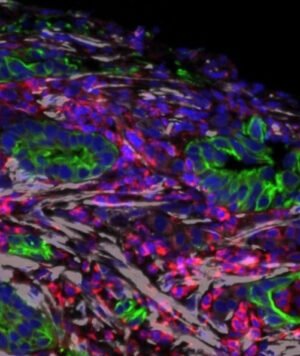
Evans and his team found that the vitamin D receptor controls fibroblasts in the liver and pancreas.
Fibroblasts are cells that build connective tissue and often form a protective barrier around tumors.
Studies showed the vitamin D receptor is highly active in certain types of tissue fibroblasts and is important for keeping tissues healthy and stable.
The team also showed that synthetic vitamin D analogs like paricalcitol can block liver fibrosis and pancreatitis.
Since a strong fibrotic response is a key feature of pancreatic tumors, the team tested how these treatments affect the cancer’s environment.
Surprisingly, they found that vitamin D analogs could reverse the activation of fibroblasts in pancreatic cancer models, which in turn helped chemotherapy work better.
These findings were among the first to show a new way to treat pancreatic cancer by changing the microenvironment that supports and protects the cancer cells.
From the lab to the clinic: What did the trial do and what was found?
Building on Salk’s research and working with the Evans team, Brian Wolpin and Kimberley Perez at Dana-Farber Cancer Institute led a trial focusing on the safety of vitamin D analogs in pancreatic cancer.
The trial involved 36 patients with untreated metastatic pancreatic cancer, who received standard chemotherapy (gemcitabine plus nab-paclitaxel) with either placebo, intravenous paricalcitol, or oral paricalcitol.
Paricalcitol is FDA-approved to prevent and treat secondary hyperparathyroidism in patients with chronic kidney disease.
The main goal of the trial was to check the safety of adding paricalcitol to chemotherapy.
Paricalcitol was mostly safe, although five of 12 patients taking oral paricalcitol had high blood calcium, which was managed by reducing the dose.
A key secondary goal was to see if any changes in the tumor or its environment happened with paricalcitol.
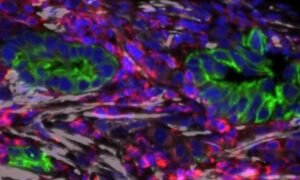
Researchers collected tissue samples before and after treatment and used advanced methods to study the changes in cells around the tumor. They found that paricalcitol reduced fibroblast activity but not their numbers and increased the presence of T cells, a type of immune cell that is usually not found in tumors. These results suggest that paricalcitol might be a good treatment for changing the tumor’s environment.
Although the study wasn’t designed to compare treatment effectiveness, the results showed differences.
Patients who got paricalcitol had more partial responses to treatment (10 out of 24 or 42%) than those who got a placebo (one out of 12 or 9%). Also, more patients who received paricalcitol were free of disease progression after one year (five patients) compared to the placebo group (none).
Researchers also found that the levels of vitamin D receptor in the tumors varied among patients.
They also noted that higher levels of this receptor were linked to better treatment response and longer survival times for those who received paricalcitol.
Why is this important?
Pancreatic cancer is one of the hardest cancers to treat.
While standard chemotherapy may slow the disease in some patients, the results are still poor. The tumor’s environment is thought to contribute to treatment resistance, as pancreatic tumors are often surrounded by dense connective tissue made of activated fibroblasts, creating a barrier that makes it hard for treatments to reach the cancer and creates a harmful environment for immune cells.
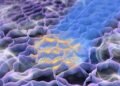
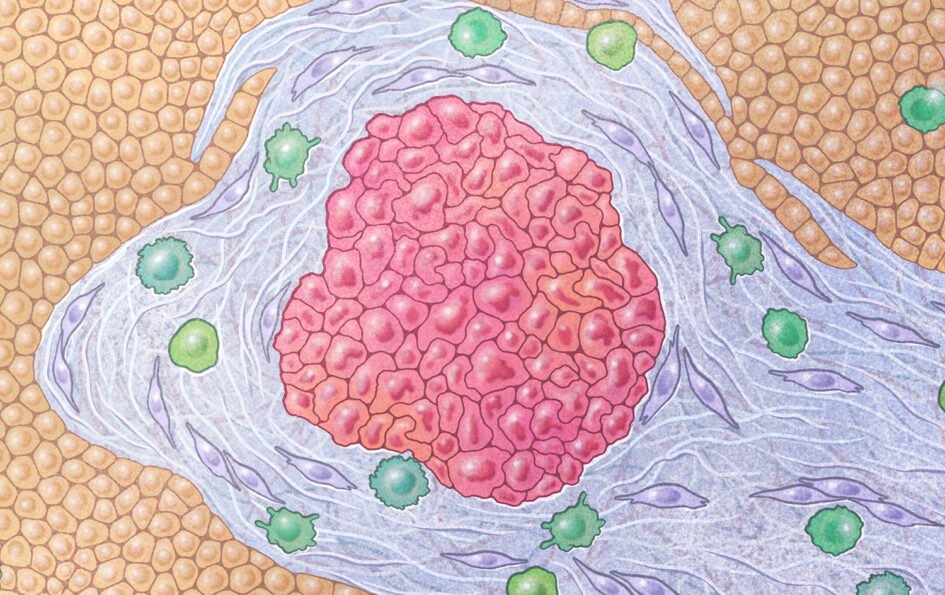
Pancreatic cancer cells (red) are surrounded by a thick fibrotic barrier made of activated fibroblasts and connective tissue (purple).
Immune cells (green) are present in the environment. Healthy pancreatic cells (orange) are outside the tumor. Image: Amy Cao, Salk Senior Illustrator.
What’s next?
The results from this trial are the first step toward bigger studies that will look at how combining vitamin D analogs with chemotherapy or other cancer treatments affects how long patients live.
Also, more research is needed to check if the level of vitamin D receptor expression at the start of treatment can be a dependable sign of how well patients respond to these combined therapies, including vitamin D analogs.
“Perez says this study is a key step in using a vitamin D analog as a treatment that can help overcome resistance in pancreatic cancer.
It was based on early research done at the Salk Institute, confirmed those findings in real patients, and gives a clear path for future studies that might one day become a new standard in treatment.”
Source: Salk Institute