














Researchers turned pomegranate peel into a strong water purifier
This special material, made from food waste without using strong chemicals, can remove over 94% of a harmful industrial pollutant from water.
Pomegranate peel, which is usually thrown away by food sellers, could soon help clean up polluted water.
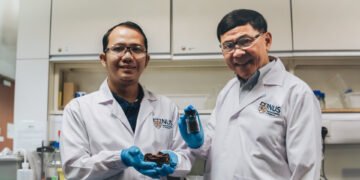
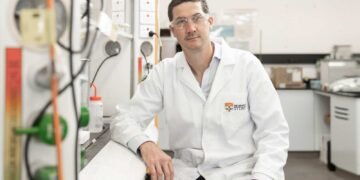
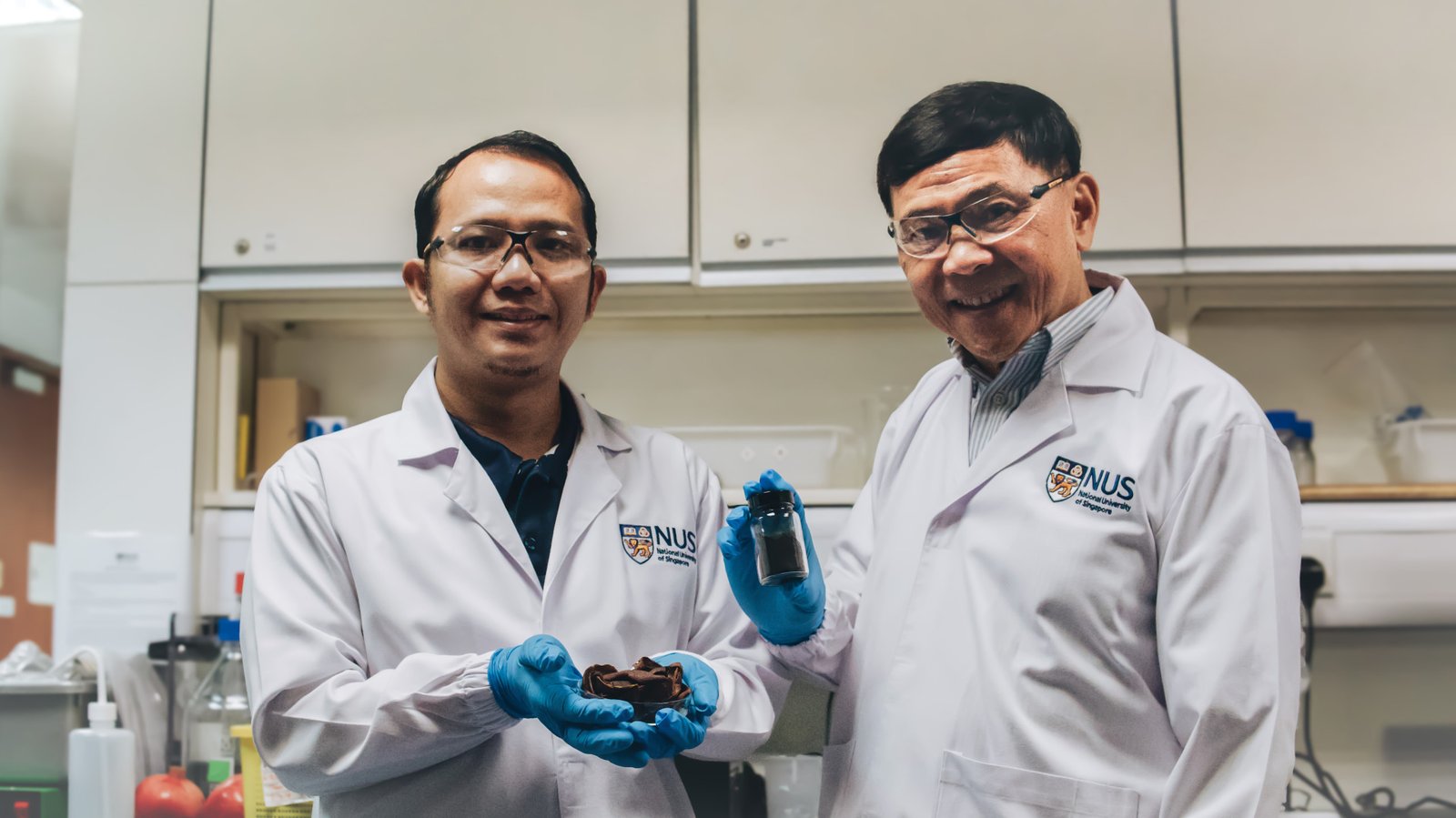
The research was done by the Department of Chemistry at the Faculty of Science, led by Professor Sam Li.
The team made a nanoscale carbon material from the fruit waste that is very good at removing 4-nitrophenol (4-NP), a harmful chemical that comes from industries like making pesticides, medicines, and dyes.
This chemical can enter waterways through factory waste and stays in the environment for a long time. It can get into the food chain, which is dangerous for both nature and people.
Health problems linked to long-term exposure include issues with the nervous system, liver, and kidneys.
Other ways to remove 4-NP from water, like chemical treatment or using living organisms, can be expensive, use a lot of energy, or are hard to use on a large scale.
Some methods also create more waste that needs to be handled. Using carbon-based materials for adsorption is a simpler option, but many of these materials need chemical processes that may not be eco-friendly or cost-effective.
Better way by starting with pomegranate peels
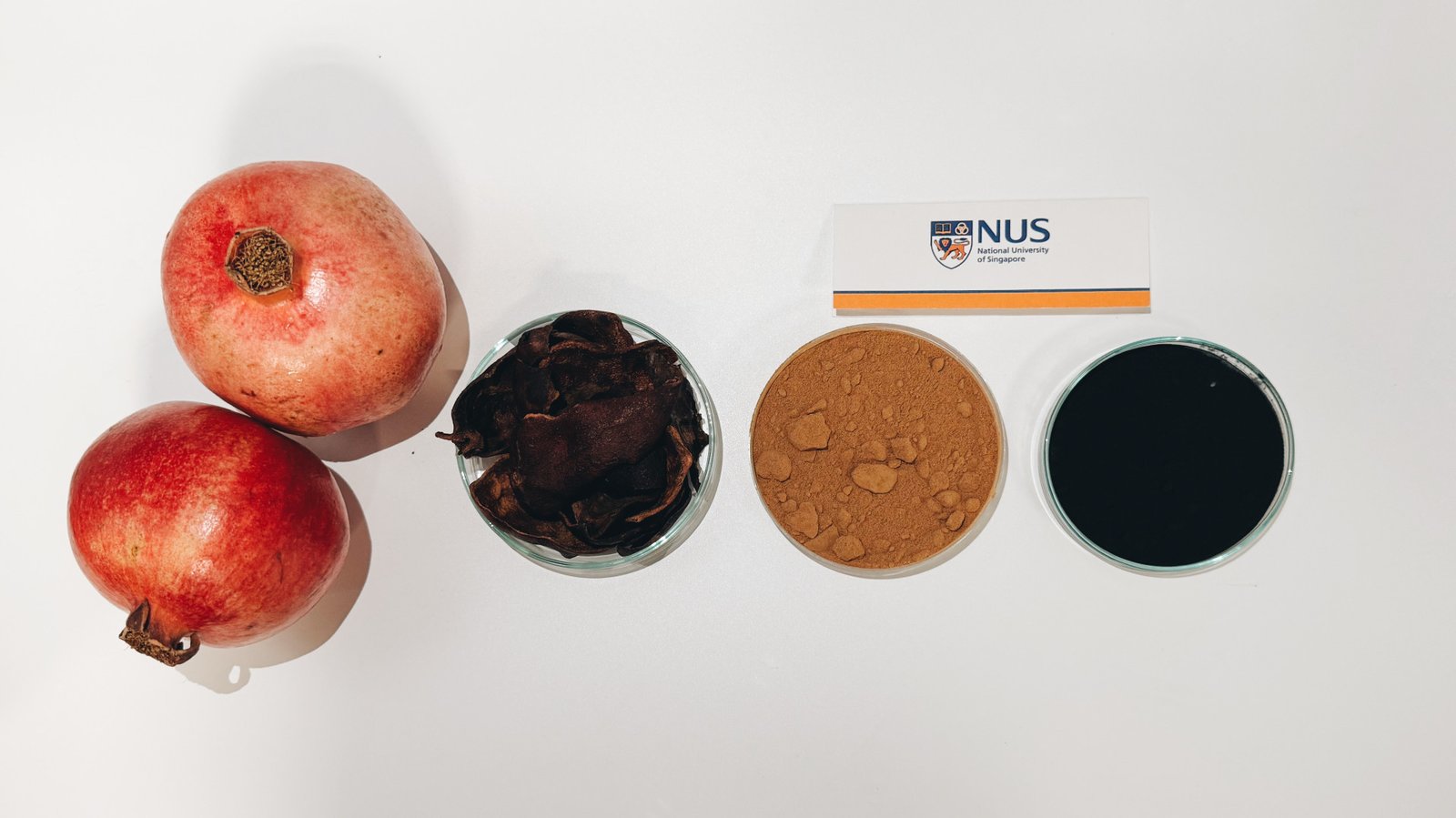
The NUS team found a better way by starting with pomegranate peels collected from Singapore’s markets.
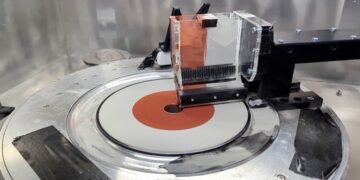
They turned the peels into biochar with controlled heating at 600 degrees Celsius. Then they broke the biochar into nanoparticles using ball milling and ultrasonic treatment in water. This process doesn’t need chemicals to activate it.
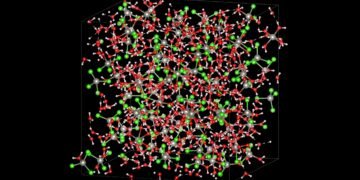
The resulting nanobiochar has a large surface area and a structure that can trap small molecules like 4-NP.
Kustomo, a PhD student at NUS and the first author of the study, said, “We wanted a material that could remove these harmful pollutants without using harsh chemicals.
By working at the nanoscale, we could create more active sites while keeping the process simple and sustainable.”
Making the material very small increases the number of active sites, so the 4-NP molecules can stick to the material faster and more effectively.
This improves how well the material works, while keeping the process simple.
In tests, the nanobiochar was added to water containing 4-NP.
Within 90 minutes, it removed over 94% of the contaminant under the best conditions. This means it can clean polluted water quickly by pulling the pollutant from the water and holding it on its surface.
Good Performance and Reusable
The team also checked if the material could be used again.
After each use, they cleaned the material with sodium hydroxide to remove the pollutant and prepare it for reuse.
Even after three times, it still removed 85.76% of the 4-NP. This shows it can be reused and keep its performance.
Their findings were published in *Environmental Nanotechnology, Monitoring & Management* on January 16, 2026.
The NUS team is now testing the material in real wastewater samples, which contain a mix of different contaminants than the synthetic water used in the study.
They also need to figure out how to make the material on a larger scale and use it in existing water treatment systems.
If it works, this method could offer a more sustainable and affordable way to treat industrial wastewater and create value from food waste.
Source: National University of Singapore