- Latest
- Trending

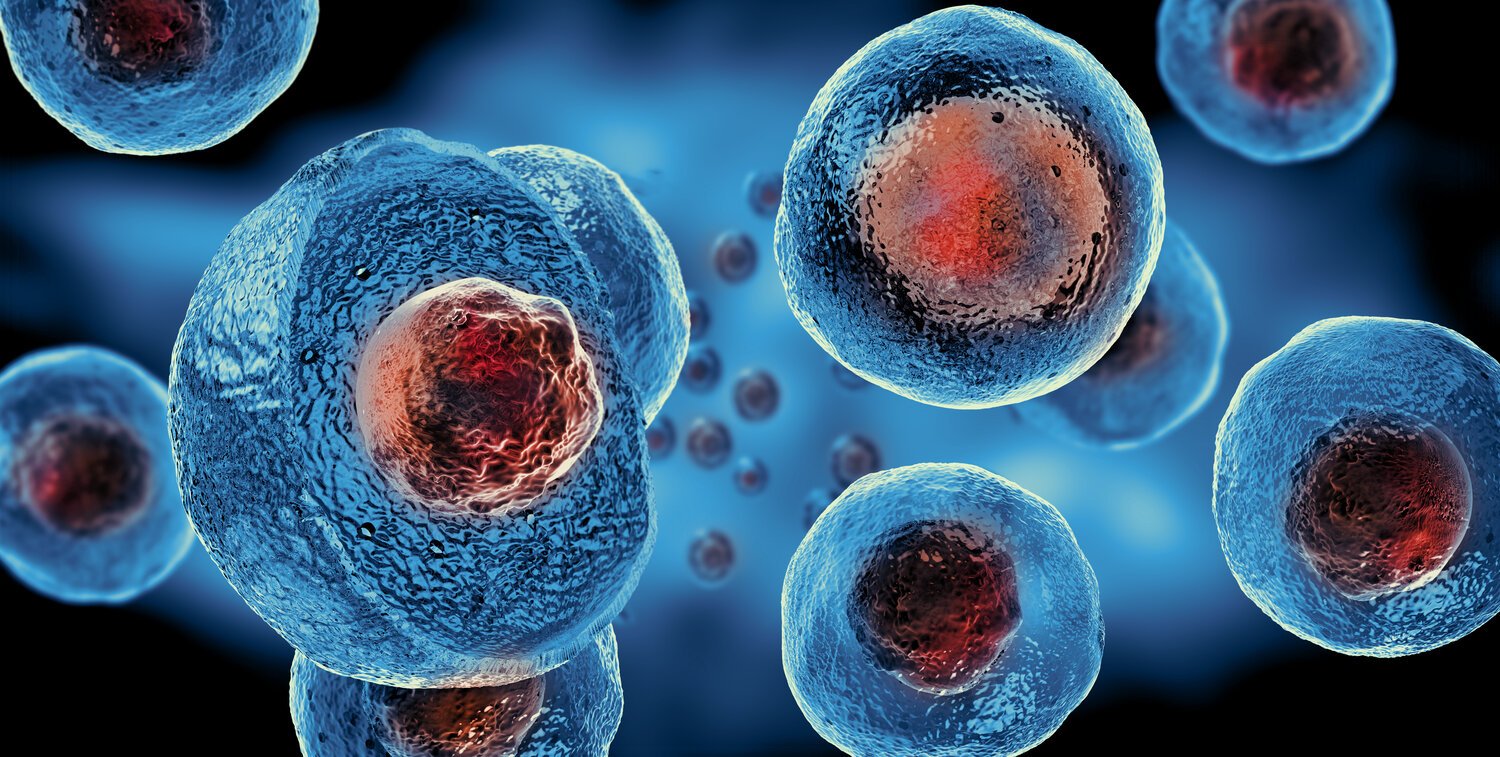
Stem cells are cell factories that constantly divide themselves to create new cells. Implanting stem cells in damaged organs can regenerate new tissues. Cell sheet engineering, which allows stem cells...
Read moreResearch exposes new vulnerability for SARS-CoV-2 Northwestern University researchers have uncovered a new vulnerability in the novel coronavirus' infamous spike protein—illuminating a relatively simple, potential treatment pathway. The spike protein...
Read more
The tiny micro-supercapacitor has inter-digitated electrodes and can be fabricated onto a flexible substrate making it possible to integrate into e-skin devices. Courtesy: DGIST. Researchers at DGIST have found an...
Read more
A graphical abstract of the gut-brain axis (left) and the 3D-printed in vitro platform (right). Courtesy: University of Maryland. Anyone who has ever experienced "butterflies in the stomach" before giving...
Read moreIntegrated flexible device attached onto the lower epidermis of the leaf to monitor transpiration processes. Credit: Lu et al. ACS Nano (2020), DOI: 10.1021/acsnano.0c03757 The emergence of biotic and abiotic...
Read moreLuis Alarcon-Martinez, Adriana Di Polo and Deborah Villafranca-Baughman Researchers at the CRCHUM find a new structure by which cells in the retina communicate with each other, regulating blood supply to...
Read more
Wei Gao's triboelectric generator is made of commonly available commercial materials and creates electricity when the wearer moves. Courtesey: Caltech. The advent of inexpensive wearable sensors that can monitor heart...
Read moreThe ocean floor and the ground beneath our feet are riddled with tiny nanowires—1/100,000th the width of a human hair—created by billions of bacteria that can generate electric currents from...
Read moreThe human brain efficiently executes highly sophisticated tasks, such as image and speech recognition, with an exceptionally lower energy budget than today’s computers can. The development of energy-efficient and tunable...
Read more
Researchers at Sandia National Laboratories have developed an array of processors coated with titanium oxide that has the potential to revolutionize technologies like voice recognition, image processing and autonomous driving....
Read more
Copyright © 2009-2022 NanoDigest.in