- Latest
- Trending


Figure 1. Field Emission-Scanning Electron Microscope images of copper nanoparticles and of the synthesized diamond-like carbon fiber film, and a High-Resolution transmission electron microscope image of a single nanofiber. Courtesy:...
Read more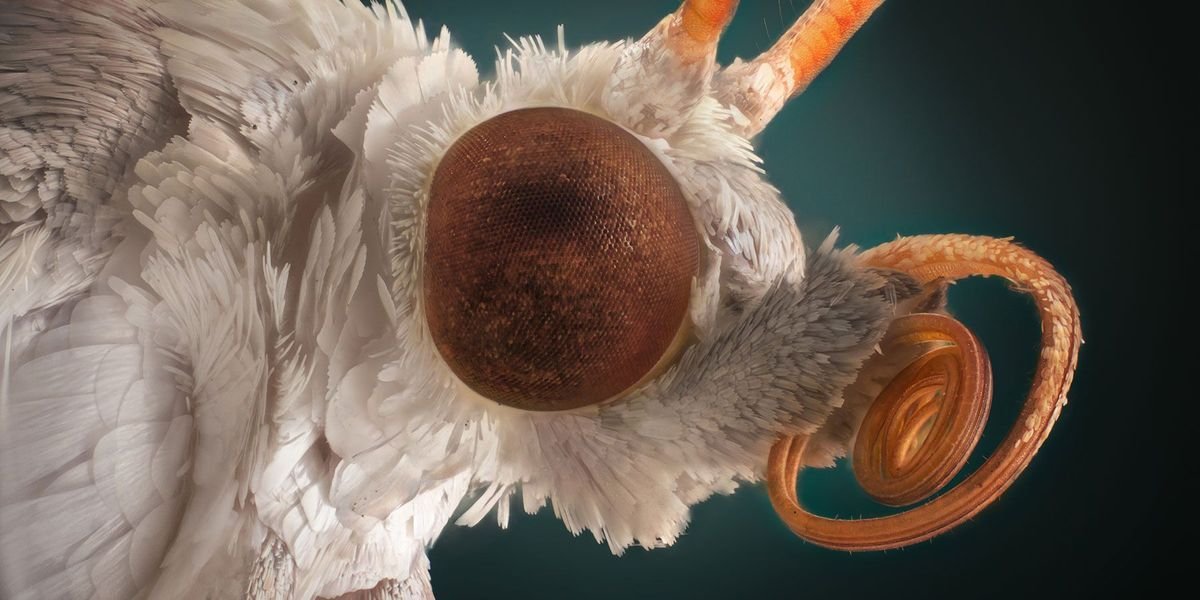
Scientists develop a simple and scalable strategy to produce resin films with anti-reflective nanostructures-inspired by eyes of moths. There is a huge number of human problems that scientists and engineers...
Read more
Carbon-nanocomposite after finishing the molding process. The sample will be tested for piezoresistive response after minor finishing touches. These materials can be shaped into almost any size and form. Image:...
Read more
Cornell researchers stacked two-dimensional semiconductors to create a moiré superlattice structure that traps electrons in a repeating pattern, ultimately forming the long-hypothesized Wigner crystal. Courtesy: Cornell University. Like restless children...
Read more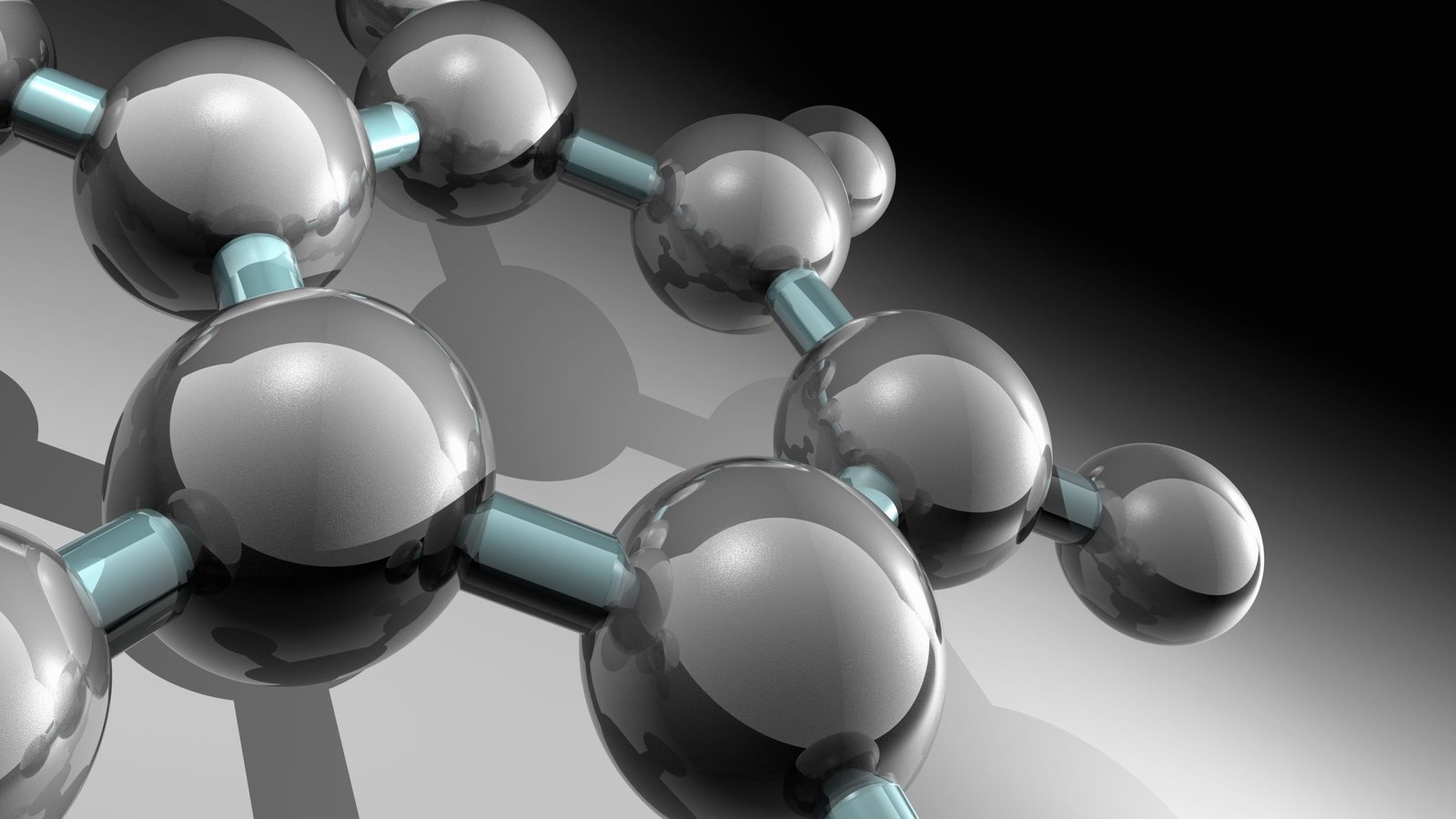
Prof. Dr. Dirk Guldi, Lehrstuhl für Physikalische Chemie an der FAU. Courtesy: FAU/Erich Malter. Which photophysical properties does carbyne have? This was the subject of research carried out by scientists...
Read more
In the constant quest to miniaturize technological components, molecule-based nanotechnology becomes an ever-growing field of interest. In this field, single molecules become the fundamental components of electronic devices. The sheer...
Read more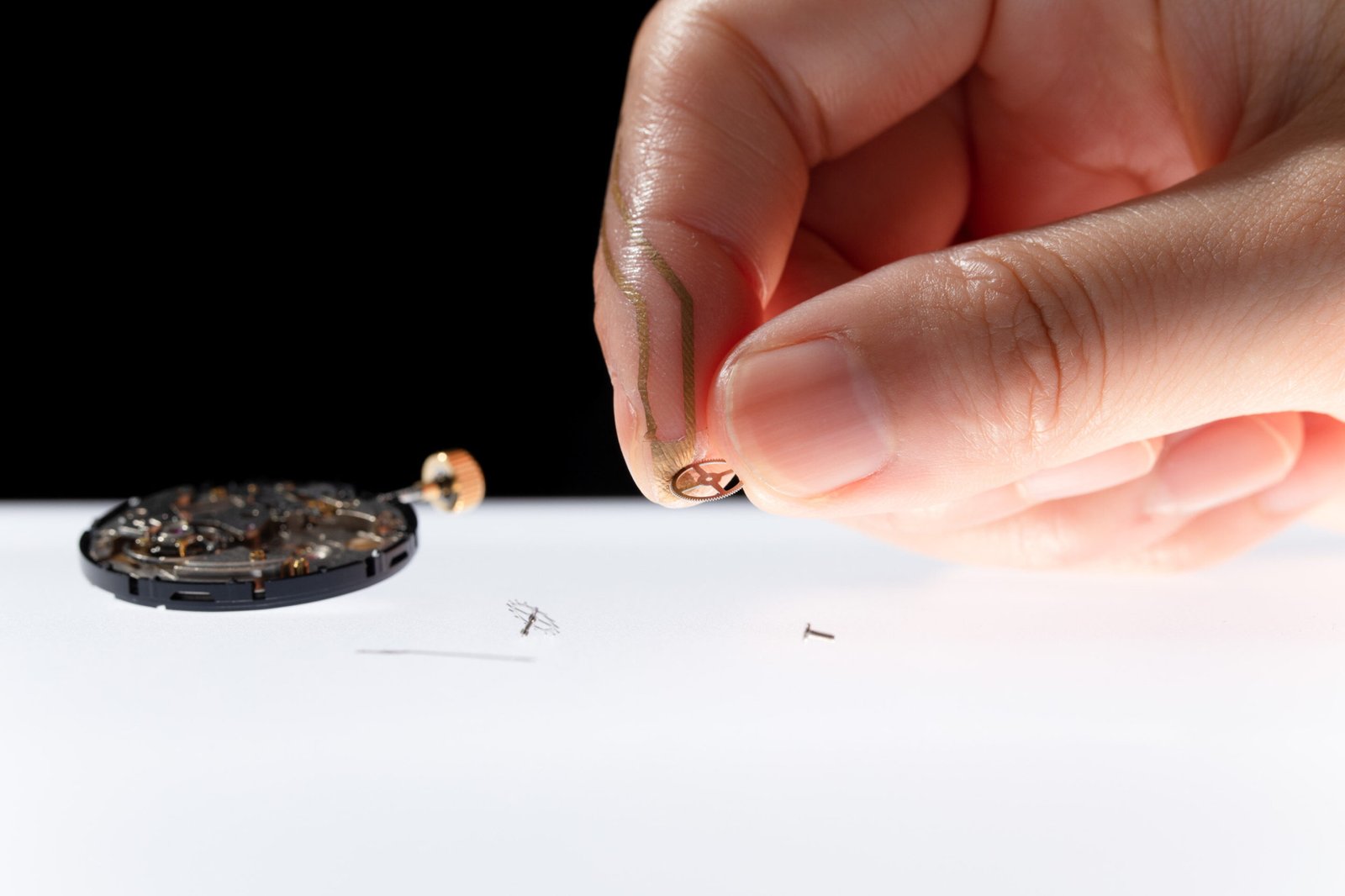
Researchers have developed an ultrathin pressure sensor that can be attached directly to the skin and measure how fingers interact with objects to produce useful data for medical and technological...
Read more
Top image adapted from Journal of Physical Chemical Letters. Bottom image, Kara Ng, Nature Chemistry 2020. Courtesy: City College of New York. Inspired by nature, researchers at The City College...
Read more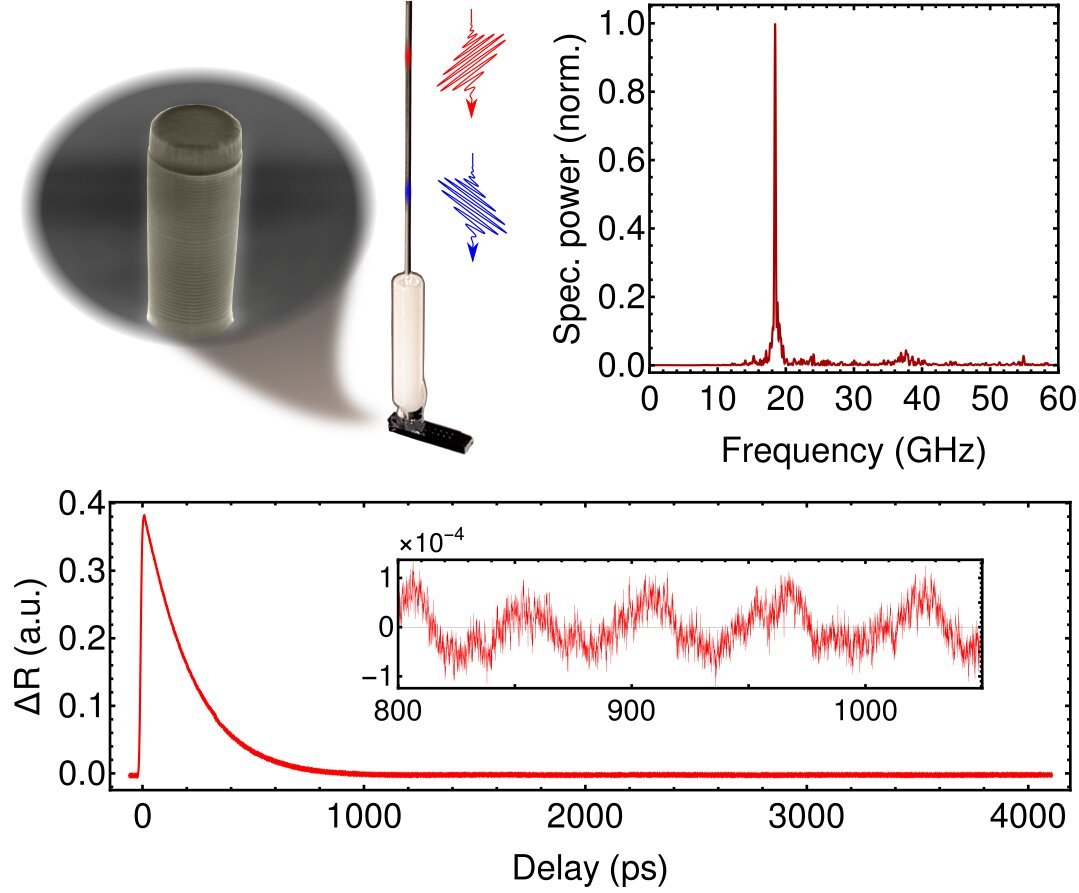
From taut strings vibrating in musical instruments to micro-electro-mechanical systems for optoelectronics, vibrations cover an extensive range of applications. At the nanoscale, the study of mechanical vibrations poses several challenges...
Read more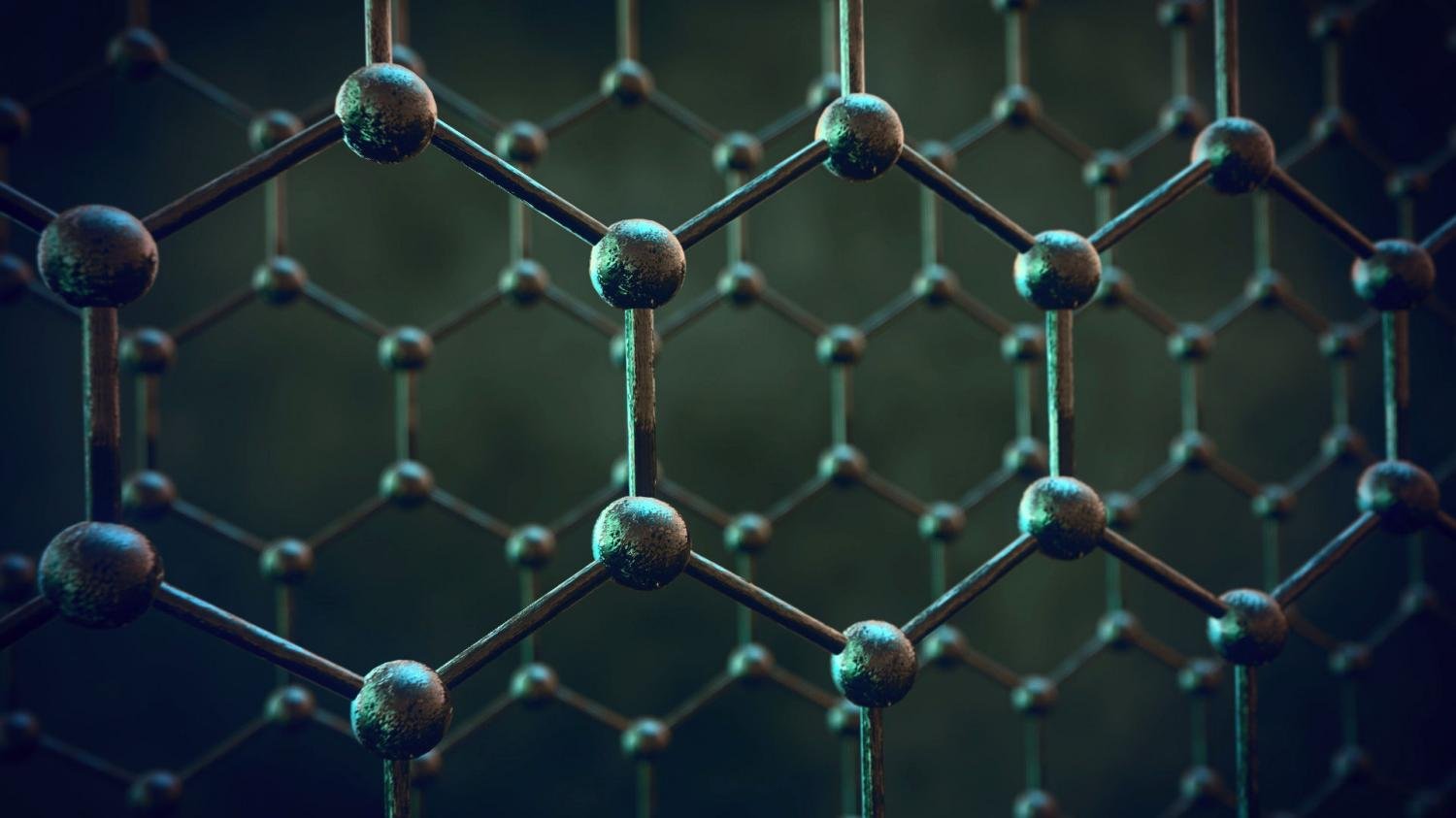
A team of researchers has amplified 3-D graphene's electrical properties by controlling its curvature. "Our research showed the conservation and the degradation of the ultra-low dissipative transport of Dirac electrons...
Read more
Copyright © 2009-2022 NanoDigest.in